Call us: +48 71 354 04 06

Write to us: sklep@urbanowiczhaft.pl

Come and visit us: Stabłowicka 123, Wrocław

Ordinary Time

Ordinary Time in the liturgical year

Lent is a forty-day period of penance, prayer, and conversion, preparing the faithful for the most important celebrations of the liturgical year — the Easter Triduum and the Resurrection of the Lord. It lasts from Ash Wednesday until Holy Thursday, during which the liturgy uses the colour violet.

Ordinary Time in the liturgical year

Ordinary Time is the longest part of the liturgical year and a time for systematically reflecting on the life, teachings, and public ministry of Jesus Christ. Contrary to its name, it does not mean a less important period — it guides the faithful through the successive Sundays, helping them to grow in faith and live out the Gospel in daily life.

WHAT IS ORDINARY TIME?

Ordinary Time in the Church is the part of the liturgical year comprising those weeks that do not belong to Advent, the Christmas season, Lent, or the Easter season. In the Roman liturgy, it is divided into two parts and includes a total of 33 or 34 weeks.

The term “ordinary” comes from the sequential numbering of the weeks. It does not mean that this time lacks significant events or spiritual content. The liturgy gradually reveals the mystery of Christ, His teaching, miracles, encounters with people, and call to conversion.

The current arrangement of Ordinary Time in the liturgical year was organised as part of the liturgical calendar reform after the Second Vatican Council. In the traditional Roman calendar, it approximately corresponds to the Sundays after Epiphany and the Sundays after Pentecost.

pierwsza-czesc-okresu-zwyklego.png

Two parts of the year

The first part of Ordinary Time occurs after the Christmas season, and the second begins after the Easter season.

okres-zwykly-przed-wielkim-postem.png

The longest liturgical period

Ordinary Time comprises 33 or 34 weeks and therefore occupies the largest portion of the church calendar.

okres-zwykly-po-zeslaniu-ducha.png

Sundays are numbered sequentially

The name of the period refers to the numbering of consecutive Sundays and weeks, not to their lesser significance.

zakonczenie-roku-liturgicznego.png

Green colour

The basic colour of vestments used at this time is green, symbolising hope, life, and spiritual growth.

Ordinary Time

PLACE IN THE LITURGICAL YEAR

Ordinary Time and the liturgical year

The liturgical year is not merely a chronological listing of feasts. Its rhythm allows the Church to live through the whole mystery of Christ — from awaiting His birth, through His passion and resurrection, to proclaiming the Gospel and awaiting the Lord’s second coming.

Within this context, Ordinary Time fulfils a special role. Between the most important liturgical seasons, it allows the faithful to systematically learn the teaching of Jesus and relate it to their daily duties, relationships, and decisions.

The order of individual Sundays, solemnities, feasts, and memorials is determined by the liturgical calendarDuring Ordinary Time, there may be solemnities of the Lord, feasts of the Blessed Virgin Mary, and memorials of saints. If these have a proper rank, they affect the form of the Mass, readings, and the liturgical colour used.

ORDINARY TIME CALENDAR

Środa Popielcowa

The First Part of Ordinary Time

The first part begins on the Monday following the Sunday of the Baptism of the Lord

Niedziele Wielkiego Postu

Completion Before Lent

The first part lasts until the Tuesday before Ash Wednesday

Niedziela Palmowa

Back after the Easter break

The second part begins on Monday after Pentecost

Triduum Paschalne

The End of the Liturgical Year

The last Sunday of Ordinary Time is the Solemnity of Christ the King

ozdobny-krzyz-liturgiczny.png

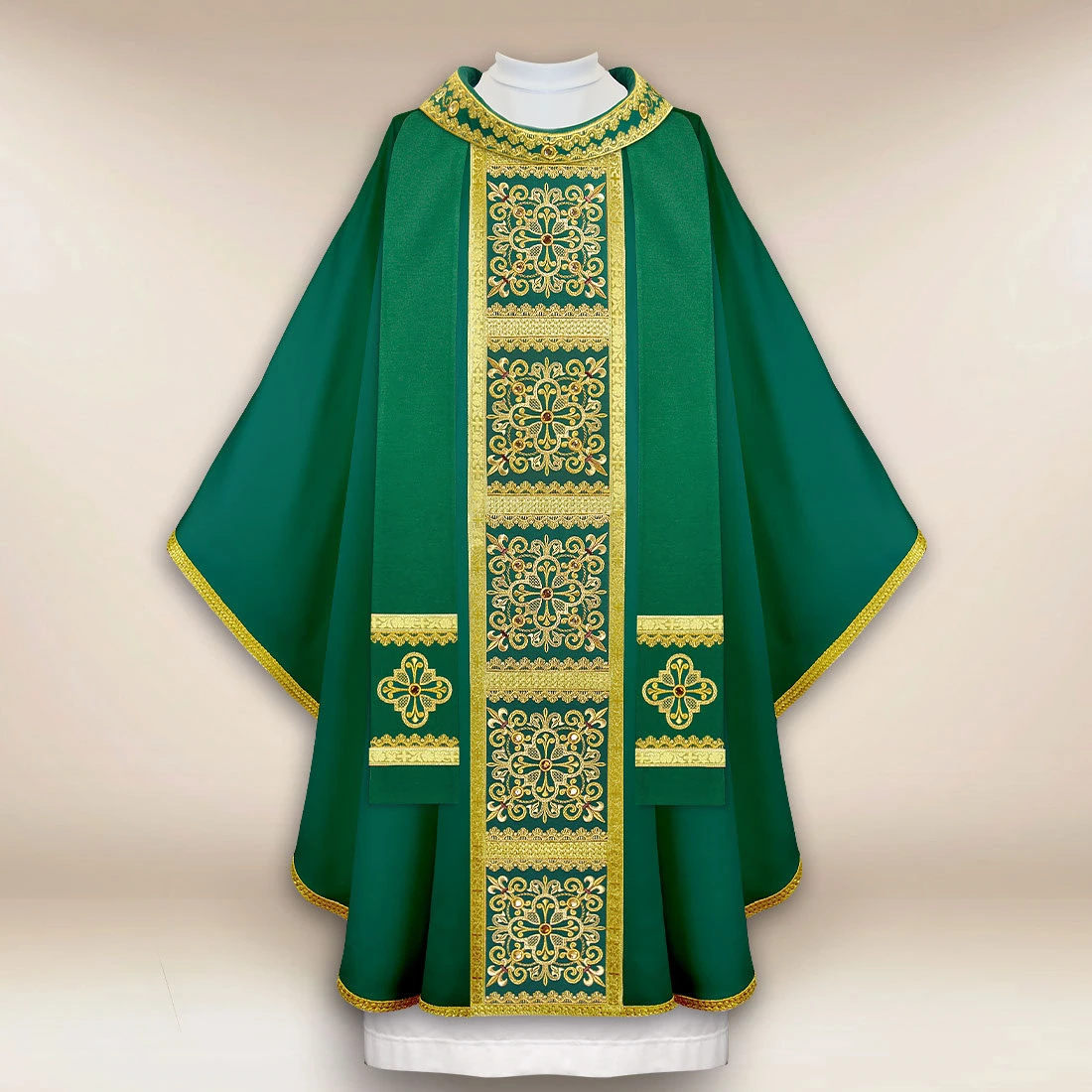
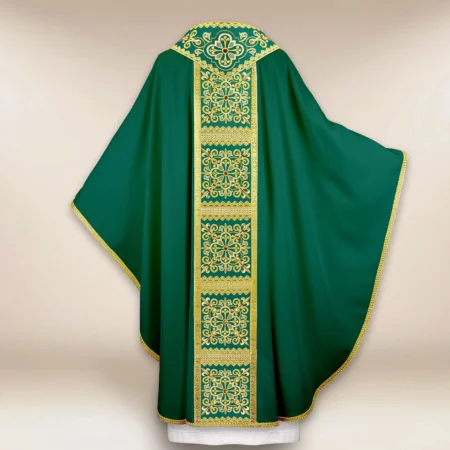
Liturgical vestments for the successive Sundays of Ordinary Time

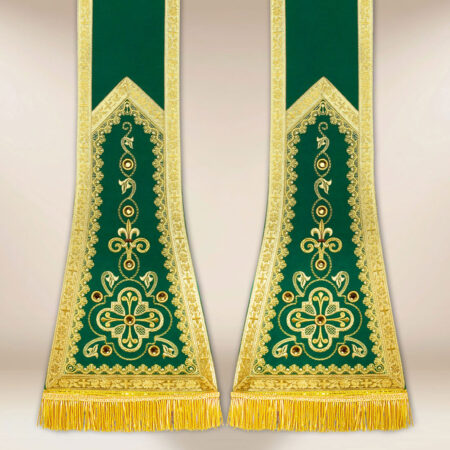
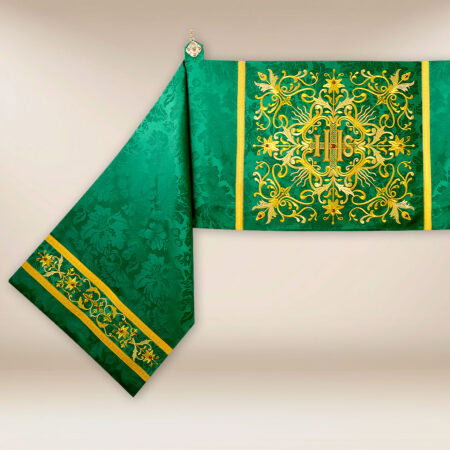
Carefully made chasubles, stoles, and dalmatics help maintain a dignified liturgical setting during the longest part of the church year.

Liturgical colour:

The liturgical colour of Ordinary Time is green – a symbol of hope, life, growth, and spiritual renewal.

GREEN

Hope, life, growth, renewal

Recommended products

Frequently asked questions:

What is Ordinary Time?

Ordinary Time is the part of the liturgical year excluding Advent, the Christmas season, Lent, and the Easter season. It consists of systematically reflecting on the life and teachings of Christ.

How long does Ordinary Time last?

Ordinary Time lasts a total of 33 or 34 weeks. It is divided into the part occurring after the Christmas season and the part beginning after Pentecost.

When does Ordinary Time start in the liturgical year?

The first part begins on the Monday after the Sunday of the Baptism of the Lord. The second part starts on the Monday after the feast of Pentecost.

What does the name "Ordinary Time" mean in the Church?

The name primarily refers to the sequential numbering of weeks. It does not mean that the liturgy of this time is less important or lacks special spiritual content.

What chasuble to use in Ordinary Time?

On Sundays and weekdays of Ordinary Time, the green chasubleis basically used. If a solemnity, feast, memorial, or liturgical celebration occurs, the colour of the vestment is chosen according to the appropriate liturgical norms.

When is the green stole used?

The green stole is primarily used during celebrations of Ordinary Time. It is a proper sign of the clerical ministry and should be selected according to the nature of the liturgy being celebrated.

Why are green vestments used in Ordinary Time?

Green symbolises hope, life, and spiritual growth. It aptly reflects the character of the period devoted to persevering in learning Christ’s teaching and living it out in daily life.

Related ceremonies:

Reliable delivery

For all orders

14-day return policy

We guarantee a refund

International support

We sell worldwide

100% Secure shopping

Apple Pay / Google Pay / PayPal / MasterCard / Visa

llms.txt